Choosing the right camera is essential for capturing high-quality short films. The best options balance image quality, ease of use, and affordability to suit both beginners and experienced filmmakers.
Cameras like the Sony A7S III, Canon EOS R6, and Blackmagic Pocket Cinema Camera 6K are top picks for short film recording due to their excellent video performance and versatile features.
Understanding what makes these cameras stand out will help you select the best tool for your creative vision and production needs.
Key Features to Consider When Choosing a Camera for Short Films
Selecting the right camera involves evaluating multiple technical and practical aspects. Factors like image quality, versatility in shooting conditions, and audio integration greatly impact the production value.
Sensor Size and Type
Sensor size directly affects image quality, depth of field, and low-light performance. Larger sensors, such as full-frame or APS-C, capture more light and detail but often come with higher costs and larger bodies.
CMOS sensors are preferred for video due to faster readout speeds and lower power consumption compared to CCD sensors. Full-frame sensors provide wider dynamic range and better background blur, which can enhance the cinematic feel.
Consider your budget and shooting style. If portability is a priority, micro four-thirds sensors might suffice, though they offer less shallow depth of field. The sensor’s ability to handle colour and noise also matters for post-production flexibility.
Video Resolution and Frame Rates
Video resolution influences the sharpness and detail of recorded footage. Common options include 4K, 1080p, and sometimes higher formats like 6K or 8K in professional cameras.
4K resolution is the current standard for short films, offering enough detail for high-quality display and cropping options in editing. Lower resolution options like 1080p can reduce file sizes and ease editing demands.
Frame rate options such as 24fps, 30fps, and 60fps affect motion portrayal. 24fps is the cinematic standard, while 60fps allows smooth slow-motion effects. Some cameras offer higher frame rates for extreme slow motion, which can add stylistic value.
Low Light Performance
Short films often require shooting in varied lighting conditions. Cameras with wide ISO ranges and good noise control ensure cleaner images in low light.
A sensor’s ability to maintain detail and colour without excessive grain at high ISO levels is critical. Cameras with larger sensors typically perform better here.
Look for features like native ISO settings, dual gain sensors, or built-in noise reduction. Additionally, lens compatibility for fast apertures (e.g., f/1.8 or lower) complements low-light shooting capabilities.
Audio Capabilities
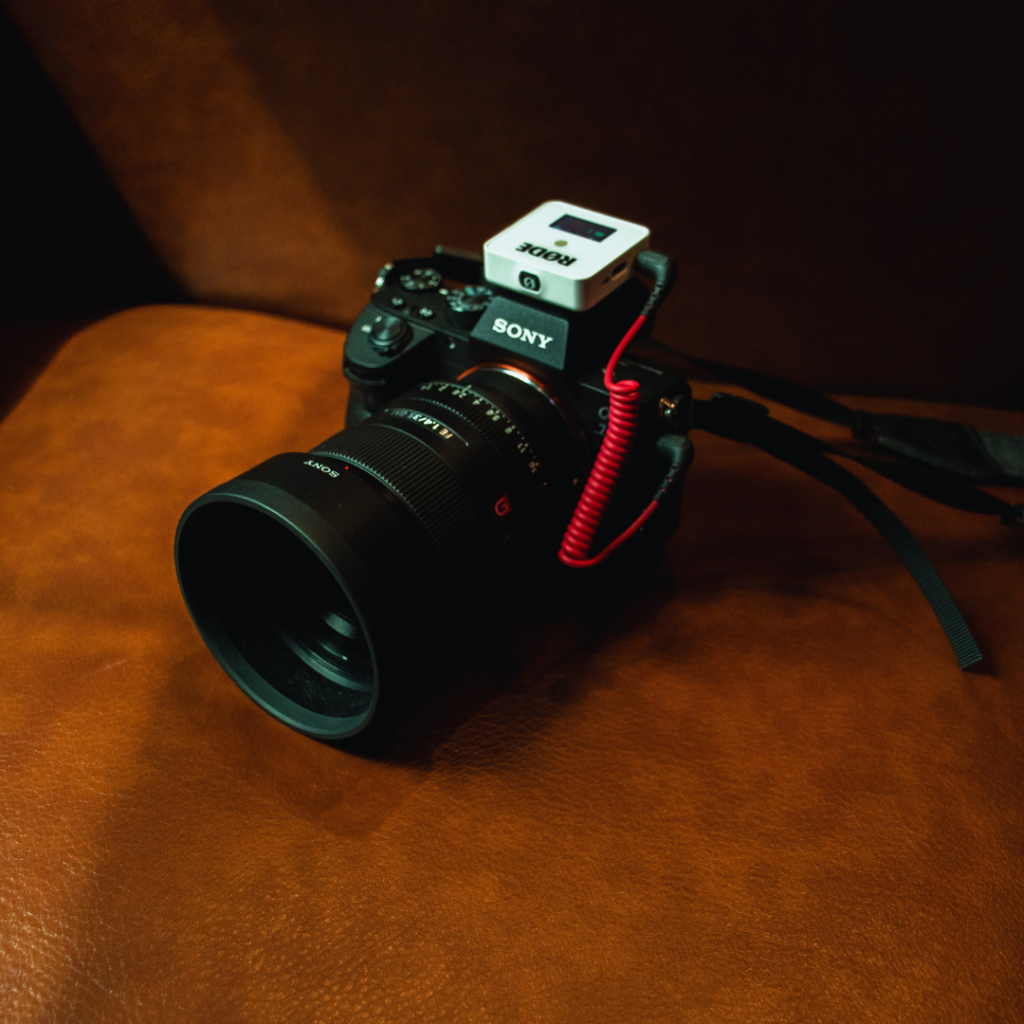
Integrated audio quality is often overlooked but essential for short films. Cameras with professional mic inputs (3.5mm or XLR) allow connection of external microphones for clear sound capture.
Built-in microphones are convenient but usually pick up ambient noise and lack fidelity. External microphones improve dialogue clarity and reduce post-production work.
Check if the camera supports headphone outputs for real-time audio monitoring and has manual audio level controls. These features help ensure accurate sound recording during shoots.
Top Cameras for Recording Short Films
Choosing the right camera depends on factors like image quality, usability, and budget. Different models cater to a variety of needs, from ease of use to advanced professional features.
Best Overall Cameras
Sony A7 IV offers a balance of exceptional video quality and user-friendly operation. Its full-frame sensor captures sharp 4K footage with excellent dynamic range, suitable for diverse lighting conditions.
Canon EOS R6 Mark II is another strong contender, known for its reliable autofocus and colour science. It supports 4K recording up to 60fps and has impressive in-body stabilisation.
Both cameras provide versatile lens options and solid battery life, making them ideal for most short film projects that require flexibility and high-quality output.
Best Budget Cameras
Panasonic Lumix G85 is a popular choice for filmmakers on a budget. It delivers 4K video with good colour accuracy and comes with in-body image stabilisation, a rarity at this price.
Sony ZV-1 is a compact option with strong autofocus and great colour reproduction. It excels in handheld shooting and is suitable for quick setups or vlogging-style short films.
These cameras prioritise portability and affordability without sacrificing essential video features, making them practical for new filmmakers or tight budgets.
Best Compact and Lightweight Options
Fujifilm X-S10 stands out with its compact body and excellent 4K recording capabilities. It features strong image stabilisation and a comfortable grip, ideal for run-and-gun shooting.
DJI Pocket 2 offers ultra-portability and a built-in gimbal for incredibly smooth footage. Though limited by a smaller sensor, its convenience suits travel and tight shooting spaces.
Both provide excellent mobility and ease of use, useful for short films where carrying heavy gear is impractical or speed is a priority.
Best Professional Cameras
Blackmagic Pocket Cinema Camera 6K Pro combines high resolution with advanced colour grading capabilities. It supports RAW recording and has built-in ND filters, appealing to filmmakers focused on post-production control.
Canon EOS C70 blends cinema-grade features with a manageable body size. Its Super 35 sensor and dual-pixel autofocus make it suited for complex cinematic projects requiring precision.
These cameras are designed for experienced filmmakers who need advanced image quality, customisation, and true cinematic flexibility.
Camera Lenses and Accessories for Short Films
Choosing the right lenses and accessories is critical for capturing professional-looking footage. These tools enhance image quality, stabilise shots, and improve sound, all crucial for short film production.
Essential Lenses for Filmmaking
Prime lenses with fixed focal lengths, such as 35mm and 50mm, are popular for their sharpness and low-light performance. A wide-angle lens (around 16-24mm) helps capture expansive scenes or tight indoor spaces.
Zoom lenses offer flexibility but sometimes compromise on image quality. For short films, it’s best to prioritise lenses with wide apertures (f/1.4 to f/2.8) for shallow depth of field and better low-light capability.
Investing in a macro lens can add creative detail shots, while anamorphic lenses deliver a cinematic widescreen look with unique flares and bokeh.
Stabilisation Tools and Gimbals
Handheld shooting requires stabilisation to avoid shaky footage. A three-axis gimbal stabiliser is the go-to tool, providing smooth, controlled movements for dynamic shots.
Tripods with fluid heads allow for precise panning and tilting, essential for controlled camera moves or time-lapse sequences. Compact sliders add horizontal motion, expanding creative possibilities.
For run-and-gun filming, a steadicam rig offers balance and portability. Combining these tools ensures versatile, professional-looking footage regardless of shooting conditions.
External Microphones and Audio Solutions
Built-in camera mics capture ambient sound but lack clarity. External shotgun microphones mounted on the camera focus on directional audio, reducing background noise and improving dialogue capture.
Lavalier (lapel) mics are ideal for close-mic’d interviews or dialogue scenes, offering hands-free operation. Wireless systems provide mobility and reduce cable clutter on set.
Audio recorders paired with boom poles allow for high-quality sound capture separate from the camera. Syncing audio in post-production results in cleaner, more professional soundtracks.
Camera Setup and Settings for Short Film Production
Setting up your camera correctly is crucial to capturing the visual style and quality needed for short films. This includes fine-tuning exposure, focus, and colour settings to enhance storytelling and maintain consistency throughout your shots.
Recommended Camera Settings
Start with shooting in manual mode to control exposure precisely. Set your aperture between f/2.8 and f/5.6 for a shallow depth of field that isolates subjects but keeps enough focus. Use an ISO as low as possible—ideally between 100 and 800—to reduce noise.
Shutter speed should be around double your frame rate (e.g., 1/50 for 24fps) to create natural motion blur. White balance must be set manually to match the lighting conditions, preventing colour shifts during editing. Always shoot in the camera’s highest bitrate and use a flat picture profile if available for flexibility in post.
Optimal Focusing Techniques
Use manual focus over autofocus to avoid focus hunting. Rely on focus peaking or magnification features to ensure sharp focus on key subjects. Mark focus points or use a follow focus rig to maintain control during movement.
For static shots, pre-focus and lock the focus ring to avoid shifts. In scenes with movement, dynamically adjust focus or use a wireless follow focus system for precision. Focus consistency across shots maintains professionalism and prevents distractions.
Colour Profiles and Grading Options
Select a flat or log colour profile like S-Log3, V-Log, or C-Log. These profiles preserve dynamic range, protecting highlights and shadows. They provide more data for colour grading, which can significantly improve final image quality.
Expose carefully to avoid clipping in highlights or crushing shadows. Use colour grading software such as DaVinci Resolve or Adobe Premiere Pro for adjustments. Focus on contrast, saturation, and skin tones for natural results that fit the mood of the film. Save your graded LUTs for consistency across scenes.
Editing Workflow and File Formats
Choosing the right file formats and managing data efficiently ensures a smooth post-production process. Understanding compatible formats and optimising editing methods saves time and preserves quality.
Compatible Recording Formats
Most short films benefit from cameras that offer raw or log recording options. Formats like ProRes, DNxHR, and CinemaDNG provide high colour depth and detail, which are ideal for colour grading.
Avoid highly compressed formats such as AVCHD or H.264 for primary editing since they degrade image quality after multiple edits. Instead, use these for proxies or quick previews.
Ensure your editing software supports the camera’s native formats. Compatibility with 4K Ultra HD and 10-bit 4:2:2 colour sampling is essential for future-proofing your workflow.
Efficient Data Management
Organise footage immediately after shooting. Create separate folders by scene or shot number to reduce confusion during editing.
Use fast external SSDs for transfer and storage to minimise lag. Back up files in at least two locations to prevent loss, preferably one local and one cloud-based.
Label clips clearly, noting the take number and any key details. Maintain a shot log to track footage status, helping to speed up the selection and editing process later.
Post-Production Tips for Short Films
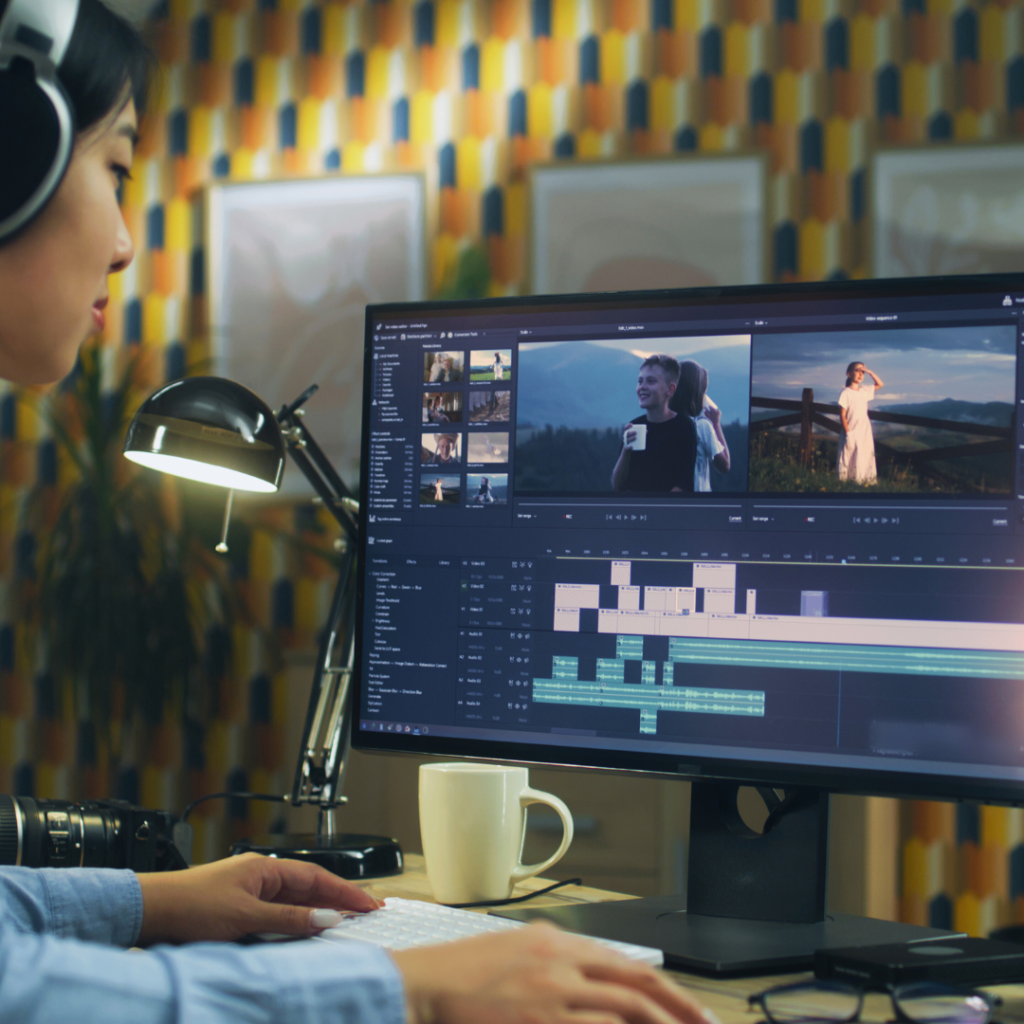
Start by converting raw footage into edit-friendly formats, like ProRes Proxy, to allow smooth playback on less powerful machines.
Focus on non-destructive editing to keep original files intact. Use software features such as adjustment layers and smart rendering.
Allocate time for colour grading and sound mixing separately, as these significantly impact the final product. Use LUTs designed for your camera profile to streamline grading.
Always export test clips in various formats to check compatibility across platforms before finalising your film.
Additional Tips for Selecting the Right Camera
Choosing a camera involves more than image quality. Factors like handling ease, robustness, and power management play critical roles in practical use during short film production.
Portability and Durability
Portability impacts where and how you shoot. Smaller, lightweight cameras are easier to move, especially for on-location shoots or handheld work. However, ensure the camera’s build can withstand frequent transport and occasional rough conditions.
Durability includes weather sealing and sturdy construction. Cameras with magnesium alloy bodies or professional-grade weather resistance prevent damage from dust, moisture, or accidental bumps. This reliability reduces downtime during shoots.
Balance size and strength—bulky but rugged models can benefit studio or controlled environments. For run-and-gun style filming, compact cameras with protective cases provide flexibility without sacrificing durability.
Battery Life and Power Options
Battery longevity directly affects shooting time and workflow. Cameras with longer-lasting batteries reduce interruptions and eliminate the need for constant recharging during shoots.
Check for models supporting external power sources or battery grips. These accessories extend operational time significantly, especially useful for outdoor shoots or multi-day projects.
Also, consider battery availability and cost. Cameras using common battery types make replacements easier and often cheaper. Dual battery slots are a plus, enabling hot swapping during critical shooting moments without powering down the camera.
Conclusion
Choosing the right camera depends on the specific needs of your short film. Factors like budget, image quality, portability, and ease of use play crucial roles in decision-making.
DSLRs and mirrorless cameras provide excellent flexibility and image quality for filmmakers on a budget. They are often preferred for their interchangeable lens options and compact design.
Cinema cameras offer advanced features and superior image quality, but can be expensive and require more technical knowledge. These are best suited for filmmakers aiming for a professional look.
|
Camera Type |
Strengths |
Ideal For |
|
DSLR/Mirrorless |
Versatile, affordable |
Beginners to intermediate users |
|
Cinema Cameras |
High image quality, controls |
Experienced filmmakers |
|
Compact Cameras |
Portable, easy to use |
Quick setups, run-and-gun style |
Keep in mind that lighting, sound, and post-production also affect final video quality. A good camera is just one part of the filmmaking process.
Invest time in learning your equipment thoroughly. Mastery of your chosen camera will have a bigger impact than the model itself.