
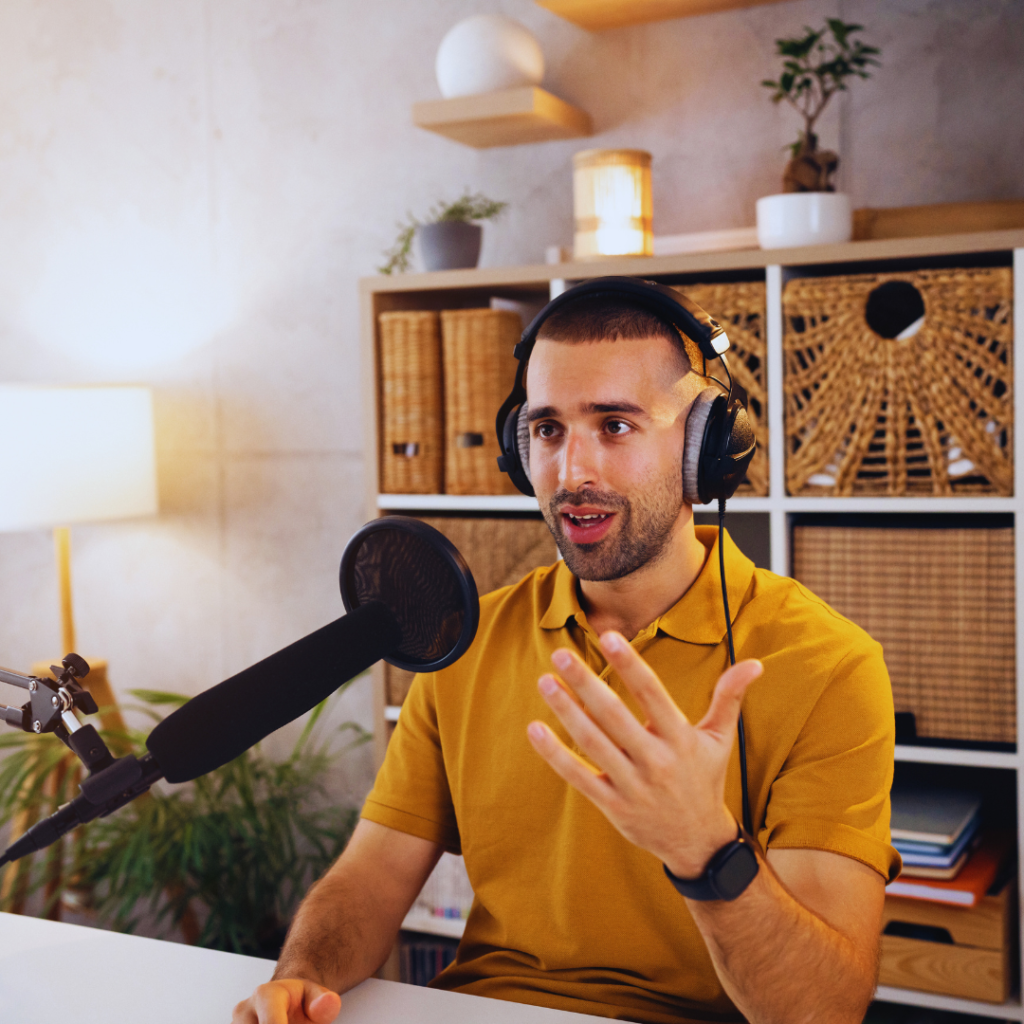
Starting a film podcast is easier than you might think. All you need is a clear topic, basic recording equipment, and a simple plan to share your passion for movies with others. These core elements help you create content that attracts and keeps listeners.
Choosing your niche within film, whether it’s reviews, industry news, or deep dives, shapes your podcast’s identity. Consistency in episodes and using user-friendly software make the process manageable, even without prior experience.
With a few straightforward steps, you can launch a podcast that connects with fellow film enthusiasts and grows over time. Understanding the essentials upfront helps you avoid common pitfalls and get started confidently.
Choosing Your Film Podcast Niche
Defining a clear focus for your film podcast helps attract the right listeners and sets the foundation for your content. Key elements include understanding who your podcast will serve, deciding the specific film topics you’ll explore, and analysing existing shows in your space.
Identifying Your Target Audience
Start by pinpointing the demographics and interests of your ideal listeners. Consider factors such as age, film knowledge level, and preferred types of cinema, like indie, blockbuster, or cult classics.
Knowing if your audience prefers casual discussions or in-depth analysis guides your tone and episode structure. For example, a podcast aimed at casual viewers might focus on movie recommendations and spoilers, while a cinephile audience requires detailed commentary on direction, cinematography, or screenplay.
Define listening habits, too. Will your audience consume content on commutes or during extended sessions? This affects episode length and frequency choices.
Selecting a Film Genre or Topic
Choose a niche aligned with both your passion and audience demand. Options include genre-specific podcasts like horror, sci-fi, or documentaries, or topic-driven themes such as actor-focused series, film history, or industry trends.
Narrower niches create strong, loyal listener bases but might limit growth. Broader themes reach more general film fans but face stiffer competition. Find a balance by combining elements, e.g., focusing on international horror or female directors in sci-fi.
Use a checklist to confirm your niche:
- Personal knowledge and enthusiasm
- Audience interest level
- Availability of fresh content
- Competitive landscape
Researching Competing Podcasts
Analyse existing film podcasts to gauge your niche’s saturation and uniqueness. Identify their episode style, frequency, and audience engagement through reviews and social media.
Create a table comparing 3-5 top podcasts with attributes like:
|
Podcast Name |
Focus Area |
Episode Length |
Release Schedule |
Listener Base |
|
ExamplePod 1 |
Classic Films |
45 minutes |
Weekly |
10K followers |
|
ExamplePod 2 |
Horror Movies |
30 minutes |
Biweekly |
5K followers |
Notice gaps or underserved segments in content or style. This will help position your podcast to fill a specific need rather than duplicating popular formats. Avoid niches flooded with highly polished shows unless you have a distinct angle or expertise.
Planning Your Podcast Format
Decide on the episode flow, hosting style, and duration before recording. These elements shape your listener experience and help maintain consistency.
Structuring Episodes Effectively
A clear episode structure holds listener attention and makes your content easy to follow. Start with a brief intro to set up the topic or film being discussed. Follow this with the main segment, which could include reviews, interviews, or thematic discussions.
Include recurring elements like a news update or listener questions to create familiarity. End with a concise wrap-up, summarising key points or teasing the next episode. Use timestamps if helpful to guide listeners through different segments.
Planning transitions between segments ensures a smooth flow. This keeps the episode engaging without feeling disjointed or rushed.
Selecting Your Hosting Style
Choose a hosting style that fits your personality and audience expectations. Solo hosting offers complete control but requires strong storytelling skills. Co-hosting provides natural dialogue and varied opinions, which can keep conversations lively.
Consider interview formats for expert insights. This style demands good preparation and questioning skills to keep discussions relevant. Whichever style you pick, keep your tone consistent—whether casual, analytical, or humorous—to build a recognisable brand.
Adapt your style as you gain feedback, but start with a clear voice to attract your target audience effectively.
Determining Episode Length
Select an episode length that suits your content and listener habits. Film podcasts often range between 20 and 60 minutes, depending on depth. Shorter episodes (15–25 minutes) work well for quick reviews or news updates.
Longer episodes (45–60 minutes) suit detailed analysis or interviews. Consistency matters more than exact length; set an expectation and meet it every episode.
Consider your own production schedule, as longer episodes require more editing. Use listener analytics when available to refine what length performs best.
Essential Equipment and Software
Starting a film podcast requires specific tools to capture high-quality audio, edit content efficiently, and manage remote conversations smoothly. Selecting the right gear and software can improve the listening experience and simplify production.
Microphones and Headphones
A good microphone is crucial for clear voice recording. USB microphones like the Audio-Technica ATR2100x or Blue Yeti are popular for beginners due to ease of use and decent sound quality. For better audio, XLR microphones paired with an audio interface, such as the Shure SM7B plus a Focusrite Scarlett, offer professional results but require more setup.
Headphones should provide accurate sound without distortion. Closed-back designs like the Audio-Technica ATH-M50x help isolate audio and prevent bleed during recording. Comfort is important for long listening sessions.
Audio Recording Software
Audio recording software captures and organises your podcast sessions. Audacity is a free, open-source option that works well for beginners. Its user interface is straightforward, and it supports multitrack recording.
For more features, Adobe Audition and Hindenburg Journalist offer advanced tools for noise reduction, compression, and EQ. These are subscription-based but provide professional-grade controls and plugins to enhance audio quality.
Editing Tools
Editing software allows for cutting, mixing, and polishing your episodes. Basic editing can be done in the recording software, but dedicated editors like Reaper or GarageBand (Mac-only) give more flexibility.
Key features to look for include multitrack editing, sound effects libraries, and easy export options. Using presets for compression and levelling saves time and ensures consistent volume.
Remote Guest Setup
Hosting remote guests needs reliable tools for clear, low-latency conversations. Zoom and SquadCast are popular platforms, with SquadCast focused on podcast quality by recording separate tracks on each side.
Using USB or XLR microphones on both ends improves overall sound. Encourage guests to use headphones and quiet environments to reduce echo and background noise.
Recording locally on each device and syncing files later can improve audio fidelity compared to streaming-only tools.
Recording Your First Film Podcast Episode
Setting up your environment, organising your content, and rehearsing are critical steps in recording an effective podcast episode. Each component ensures clarity, flow, and quality in your final recording.
Prepping Your Recording Space
Choose a quiet room with minimal echo. Soft materials like carpets, curtains, and cushions help reduce sound reflections and background noise.
Place your microphone on a stable surface to avoid vibrations and handling noise. Keep electronic devices that might cause interference away from the recording area.
Ensure proper lighting if you plan to record video or take pictures. Set up a dedicated space so you avoid distractions during recording.
Script Writing and Notes
Draft a clear outline covering main points: film title, plot overview, key themes, and personal insights. Avoid writing a full script unless it suits your style.
Use bullet points for quick reference to maintain a natural, conversational tone. Highlight important quotes, film facts, or statistics to add credibility.
Prepare questions or prompts if you have guests. Having notes visible during recording helps maintain flow without sounding scripted.
Conducting Practice Runs
Record short test sessions to check audio levels and clarity. Listen for background noise, volume balance, and speech speed.
Practice speaking naturally, avoiding filler words or awkward pauses. Use these sessions to refine your delivery and timing.
Run through your script or notes to build confidence. Adjust your setup or content based on what you learn before the actual recording.
Editing and Post-Production
Editing and post-production shape the overall sound and professionalism of your film podcast. Removing errors, balancing audio, and enhancing the listening experience are essential steps to ensure clarity and engagement.
Basic Audio Editing Techniques
Start by cutting out unwanted noise, long pauses, and filler words like “um” or “uh.” Use software such as Audacity or Adobe Audition for precise editing. Pay special attention to sections where multiple speakers overlap or where audio levels vary greatly.
Arrange your clips in logical order. Use fade-ins and fade-outs to smooth transitions between segments or topics. Keep edits natural to avoid a choppy listening experience. Consistency in pacing matters for listener retention.
Adding Music and Effects
Select music that fits your podcast’s tone. Royalty-free tracks avoid copyright issues. Use intro and outro music to establish identity, keeping it brief—around 10 to 15 seconds.
Incorporate sound effects sparingly to emphasise points or add personality. Avoid overwhelming the dialogue. Ensure volume levels of music and effects don’t overpower voices. Use audio ducks to automatically lower background sounds during speech.
Finalising Audio Quality
Apply noise reduction to eliminate background hums or static, but avoid overprocessing, which can make the audio sound artificial. Use equalisation (EQ) to enhance voice clarity by adjusting bass and treble frequencies.
Normalise the audio to maintain a consistent volume throughout the episode. Check levels on different devices like headphones and speakers. Export your final file in a widely accepted format, such as MP3 with a bitrate of 128 kbps or higher for good quality and a manageable file size.
Publishing and Hosting Your Podcast
Successful podcast publishing involves selecting the right hosting service, designing eye-catching artwork, and crafting clear, engaging episode descriptions. These elements ensure your podcast is accessible, recognisable, and appealing to listeners and platforms.
Choosing a Podcast Hosting Platform
Pick a hosting platform that offers reliable uptime, easy RSS feed management, and integration with major directories like Apple Podcasts and Spotify. Popular options include Buzzsprout, Libsyn, and Anchor, each varying in storage limits and pricing.
Check if the platform provides analytics tools to track downloads and listener behaviour. Consider ease of upload, distribution automation, and customer support quality.
Free platforms like Anchor can work initially, but may limit control or monetisation options. Paid hosts often offer advanced features and better support, which suit more serious podcasts.
Creating Podcast Artwork
Your podcast artwork is the first visual impression on directories and listeners. Follow specs: a square image, at least 1400×1400 pixels, preferably 3000×3000, in JPEG or PNG formats. Use bold, simple design elements and large, readable fonts.
Include your podcast title clearly without clutter. Avoid too many details or small text that won’t be visible on small screens.
Artwork should reflect your podcast’s theme—use imagery or colour schemes related to film. Consistent branding across episodes builds recognition.
Writing Compelling Descriptions
Write episode descriptions that provide clear, concise summaries of the content, highlighting film topics or guests featured. Aim for around 150-200 words.
Use keywords relevant to your niche to improve search visibility. Structure descriptions with short paragraphs or bullet points for easy reading.
Include calls-to-action, such as subscribing, reviewing, or visiting your website. Avoid spoilers, but give enough detail to set listener expectations.
Promoting Your Film Podcast
Effective promotion involves targeted outreach, creating engaging interactions, and building relationships within the podcast and film communities. Focus on strategies that increase visibility and foster listener loyalty.
Leveraging Social Media Platforms
Use social media channels like Twitter, Instagram, and TikTok to share episode highlights, film trivia, and behind-the-scenes content. Tailor posts for each platform’s audience and format to maximise engagement.
Post consistently, using relevant hashtags such as #FilmPodcast, #MovieTalk, or #CinemaLovers to attract niche followers. Engage directly by responding to comments and joining film-related discussions.
Consider scheduling posts with tools like Buffer or Hootsuite for regular content. Using stories and reels on Instagram can boost visibility, especially with short, eye-catching clips from episodes.
Building a Listener Community
Create spaces where listeners can interact, such as a dedicated Discord server, Facebook group, or subreddit. Encourage episode discussions, polls, and film recommendations to stimulate ongoing engagement.
Offer exclusive content or early episode access to community members to increase loyalty. Engaging listeners with Q&A sessions or live watch parties helps build a more personal connection.
Regularly solicit listener feedback on topics and format. Prioritising listener input fosters a sense of belonging and improves the podcast’s relevance to its audience.
Collaborating with Other Film Podcasters
Reach out to fellow film podcasters for guest appearances, episode swaps, or joint projects. Collaborations can introduce your podcast to new audiences and build credibility.
Attend podcasting and film events or join online forums to network effectively. Exchange promotional efforts, such as sharing each other’s episodes on social media for mutual benefit.
Plan collaborations around shared interests or special topics like film genres or industry trends for more authentic content. Clear communication and aligned goals ensure smooth partnerships and quality episodes.
Tracking Growth and Improving Content
To grow a film podcast, it’s essential to monitor what works and what doesn’t. Tracking data, gathering listener opinions, and applying changes based on insights drive steady improvement and engagement.
Monitoring Listener Analytics
Use podcast hosting platforms like Libsyn, Anchor, or Podbean for access to detailed analytics. Key metrics include download numbers, episode completion rates, listener locations, and device types.
Pay close attention to which episodes have higher retention or a spike in downloads. These indicate the topics or formats your audience prefers. Track trends over time to identify growth patterns and dips.
Create a spreadsheet or dashboard to log weekly data. This keeps you aware of how your podcast performs, helps set realistic goals, and informs content decisions based on listener behaviour.
Collecting Audience Feedback
Feedback reveals what listeners value or dislike. Encourage reviews and comments on platforms such as Apple Podcasts, Spotify, and social media.
Consider creating simple surveys using tools like Google Forms or Typeform. Ask about episode topics, guest preferences, audio quality, and episode length.
Listen for constructive criticism and suggestions. Engage with your audience through direct messages or community groups to build rapport and understand their expectations more deeply.
Implementing Content Improvements
Analyse feedback and data in combination before making changes. For instance, if analytics show a drop during long episodes, but feedback requests more depth, find a balance by splitting content into parts.
Experiment with different segments—film reviews, interviews, or news—to see which format resonates. Update audio equipment if listeners complain about sound clarity.
Document changes and measure their impact by comparing listener metrics before and after. Regularly refining content based on concrete data ensures the podcast stays relevant and appealing.
Sustaining and Monetising Your Film Podcast
Building a steady audience requires reliability and thoughtful engagement strategies. Generating income involves matching monetisation methods to your listeners’ interests and your content style.
Consistent Content Scheduling
Maintaining a regular release schedule is essential. Decide on a frequency – weekly, biweekly, or monthly – and stick to it without fail. Consistency helps listeners anticipate new episodes and builds trust.
Plan your episodes ahead using tools like calendars or project management apps. This reduces last-minute stress and improves content quality. Consider batching recordings to stay ahead during busy periods.
Announce your schedule clearly on all platforms. Use reminders on social media and in your episodes to keep your audience informed. A predictable rhythm increases listener retention and attracts new followers.
Exploring Sponsorship Opportunities
Sponsorship deals are a primary way to monetise. Focus on brands that align with film-related content or listener interests, such as streaming services, equipment manufacturers, or film festivals.
Create a media kit with listener demographics, download stats, and engagement metrics. This presents your podcast as a worthy investment. Reach out directly or join podcast sponsorship marketplaces like Podcorn.
Be transparent and ethical with sponsorships. Clearly disclose paid ads to maintain audience trust. Integrate sponsor messages naturally to avoid disrupting the listening experience. Tailored ads perform better and suit your audience’s preferences.
Offering Bonus Episodes or Merch
Bonus content can generate additional revenue and deepen listener connection. Offer exclusive episodes, behind-the-scenes content, or early access via platforms like Patreon or Supercast.
Merchandise strengthens brand loyalty and promotes your podcast. Sell items like T-shirts, mugs, or stickers featuring your podcast logo or film-themed designs.
Use e-commerce sites specialised in podcast merch for easy setup. Promote your offerings regularly within episodes and online, emphasising their value and exclusivity. This drives both engagement and revenue without undermining free content.