
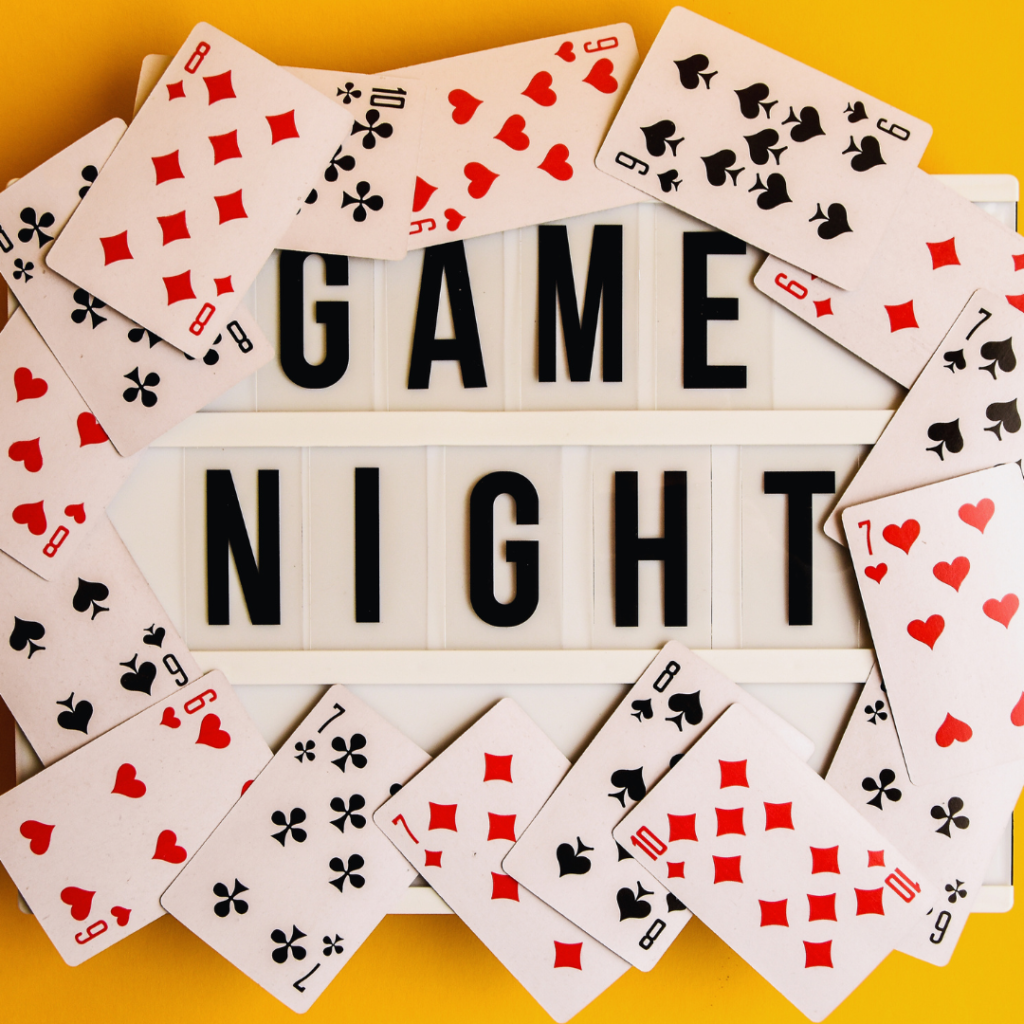
Hosting a fun game night at home is about creating a relaxed atmosphere where everyone can enjoy themselves. Choose a mix of games that suit different interests and group sizes to keep everyone engaged.
Setting up a comfortable space and providing easy snacks and drinks can make your guests feel welcome without adding extra stress. Planning a loose schedule helps the evening flow smoothly without feeling rigid.
Choosing the Right Games
Selecting appropriate games is crucial for ensuring everyone stays engaged and enjoys the evening. Consider how many people will attend, the types of games that suit your space and time, and what your guests find entertaining.
Selecting Games Based on Group Size
Group size directly influences game choice. For small groups (2-4 players), strategy board games like Catan or Ticket to Ride work well, allowing depth and competition. Medium groups (5-8 players) benefit from party games such as Codenames or Telestrations, which encourage interaction without long wait times.
Large groups (9+) are suited for games that support teams or rounds, like Werewolf or Charades. These keep players active even when it’s not their turn. Avoid games that require too many players waiting, as they can reduce involvement and energy.
Game Types: Board, Card, and Party
Board games offer structured play with defined rules and objectives, often lasting 30 minutes to several hours. Choose them if your group enjoys competition and strategy.
Card games range from quick and casual to complex. Classic options include UNO or Exploding Kittens. They are easy to set up and great for flexible timeframes.
Party games focus on social interaction and humour. Includes games like Pictionary, Heads Up!, or Jackbox on digital devices. These are ideal for lighthearted fun and energising guests.
Matching Games to Player Interests
Understanding your guests’ preferences helps avoid boredom and frustration. If players favour competition, select games with a clear winner and tactical elements. For creative or relaxed groups, cooperative or storytelling games like Dixit can be better.
Consider familiarity. Introducing brand-new games with complex instructions can slow the flow. Mixing well-known games with one new title strikes a balance between excitement and ease. Always check if players prefer short rounds or longer gameplay to fit your timeline.
Planning Your Game Night
Starting with clear decisions about who to invite and when the event will be held sets the foundation. Taking time to organise invitations and RSVPs helps make sure everyone is informed and can plan accordingly.
Establishing a Guest List
Choose guests based on the mix of personalities that will enjoy social games together. Consider the number of players needed for the games you plan to play, usually between 4 and 10 people.
Make sure to include friends who are familiar with the games or open to learning. If children or couples will be attending, balance the list so the atmosphere suits everyone.
Avoid overcrowding by sticking to a manageable number. This keeps the setting comfortable and helps maintain engagement for all players.
Setting a Date and Time
Pick a date that suits the majority of your guest list by checking availability at least two weeks in advance. Weekends or Friday evenings often work best for most schedules.
Set a start time that allows for relaxed gameplay; 7 PM is frequently ideal. Plan for about 3-4 hours to accommodate multiple rounds or different games.
Consider the end time, especially if guests need to leave early. Communicating this during invitations helps manage expectations and keeps the event organised.
Preparing Invitations and RSVPs
Send invitations through clear and concise messages, using email, text, or event apps. Include essential details: date, time, location, and what to bring, if anything.
Request RSVPs with a specific deadline, usually one week before the event, to finalise preparations. This ensures you can arrange seating, snacks, and game materials accordingly.
Provide contact info for questions or last-minute changes. A polite reminder a few days before the event helps confirm attendance and keeps guests informed.
Setting Up the Game Space
A well-arranged game space promotes comfort, accessibility, and focus, enhancing the experience for all players. Thoughtful seating, clear surfaces, and proper lighting are crucial to keep the game flowing smoothly and maintain energy in the room.
Optimising Seating Arrangements
Seating should accommodate all players without crowding. Use chairs that are stable and comfortable to sit in for extended periods. Arrange seats in a circle or oval to allow easy eye contact and reach across the table.
Keep pathways clear so players can move freely without disturbing others. Avoid having anyone sit with their back to the main game area. If space is tight, consider borrowing stools or using cushions to maximise seating options.
Challenge spots where players have to stretch or lean too far. Prioritise even spacing to reduce accidental bumps and ensure everyone has equal access to game components.
Organising Tables and Surfaces
Choose a table size that fits the group and the types of games being played. A 4-foot by 2.5-foot rectangular table works well for card and board games with up to six players. For larger groups, join two tables or use a wide coffee table.
Clear away unrelated items, such as dishes or electronic devices, to prevent clutter. Keep game pieces in small containers or trays to avoid mix-ups or lost parts.
Reserve a dedicated space for drinks and snacks away from the gaming area to limit spills. Label or colour-code game components when possible to speed up setup and transitions between rounds.
Ensuring Good Lighting
Adequate lighting reduces eye strain and helps players see cards, dice, and boards clearly. Use bright but soft white bulbs rather than harsh fluorescent lights. Position lamps to eliminate shadows on playing surfaces.
Natural daylight is ideal if the game night occurs in the early evening. Supplement with adjustable floor or table lamps if the sun sets early. Avoid placing lights behind players where glare may occur.
Consider dimmable lighting options to set the right mood without sacrificing visibility. Ensure switches are accessible so brightness levels can be adjusted as the night progresses.
Creating the Right Atmosphere
A well-planned game night benefits from thoughtful choices about visuals, sound, and interactive elements. These details help set the tone and encourage guests to relax and enjoy themselves.
Choosing Themed Decorations
Select decorations that match the type of games being played. For a board game night, use classic elements like vintage game pieces, checkered tablecloths, or small stacks of colourful cards. If the games are more casual or party-style, bright balloons and banners with game-related phrases add energy.
Limit decorations to avoid cluttering the space. Position them where guests will gather, such as around the gaming table or entryway. Using LED string lights or soft lamps improves visibility without harsh overhead lighting, creating a comfortable setting.
Setting Background Music
Choose playlists that complement the pace and style of your games. Instrumental or low-tempo music works best for strategy games to maintain focus. For party games, upbeat tracks with consistent rhythms keep energy levels high without distracting conversation.
Keep the volume moderate. Music should fill silent gaps but never drown out voices. Use streaming services to find ready-made playlists labelled for game nights or select genres like jazz, indie, or pop that suit your guests’ preferences.
Adding Fun Accessories
Small extras make the experience more engaging. Provide scorecards, timers, or custom dice to give the games structure. A communal snack station with bowls of popcorn, chips, or candy within easy reach encourages socialising.
Consider themed drinkware or coasters to reinforce the night’s concept. Games that require props, like charades or trivia, benefit from having these items easily accessible. Keep supplies organised and replenish as needed to avoid interrupting gameplay.
Food and Drinks for Game Night
Choosing the right food and drinks can keep energy levels high and create a comfortable atmosphere. Prioritise easy-to-eat snacks, drink variety, and maintaining a clean space to avoid interruptions during gameplay.
Easy Snack Ideas
Select snacks that are simple to serve and eat without utensils, reducing cleanup and keeping hands clean. Popular options include pretzels, popcorn, mixed nuts, and vegetable sticks with dip. These provide a mix of salty, crunchy textures that appeal to many.
Finger foods like mini sandwiches, cheese cubes, and fruit slices also work well. Avoid overly greasy or sticky items to keep game pieces and controllers clean. Consider offering a balance of savoury and slightly sweet snacks to satisfy different tastes.
Beverage Options
Provide a mix of non-alcoholic and alcoholic beverages to accommodate all guests. Water, soda, and iced tea are staples that offer hydration and refreshment without excessive sugar or caffeine.
For adults, keep basic beer, wine, or simple cocktails available. Using clear labels or separate drink areas prevents confusion. Have enough cups, ice, and napkins ready to avoid delays during the game.
Managing Mess and Spills
Set up designated snack and drink zones away from the gaming area to limit accidental spills. Place coasters and napkins strategically to encourage their use.
Keep cleaning supplies like paper towels or wipes within reach for quick cleanup. Use spill-proof cups or containers when possible. Clear rules about food and drink handling during gameplay help minimise mess and keep focus on the fun.
Explaining Game Rules Effectively
Clear communication and practical examples are key to ensuring everyone understands the game. Breaking down complex mechanics and showing players how to apply rules helps avoid confusion and speeds up gameplay.
Simplifying Complex Rules
Start by identifying the core objectives and essential rules that players must know to begin. Avoid overwhelming players with minor details upfront. Use bullet points to highlight key actions and turn sequences.
For example:
- Objective: Collect 5 tokens to win
- Turn order: Draw → Play → Discard
- Special cards: Skip opponent’s turn, swap tokens
Use simple language and avoid jargon. Paraphrase complex terms into everyday words. If possible, relate unfamiliar concepts to popular games. This keeps players focused on what matters and reduces rule disputes during play.
Demonstrating with Sample Rounds
After outlining the main rules, walk through one or two sample turns. Physically perform the actions or use props like cards or tokens to illustrate moves. This contextual example makes abstract instructions concrete.
Show step-by-step:
- Player draws a card
- The player plays a token card
- Player discards one card
Pause to answer questions during the demo. Encourage players to ask for clarification before starting their actual turns. This hands-on approach builds confidence and minimises errors throughout the game night.
Managing Group Dynamics
Successful game nights depend on keeping everyone actively engaged and maintaining a good balance between players with different styles. Creating an inclusive environment and adjusting for varied competitiveness can improve the experience for all guests.
Encouraging Participation
Invite quieter guests to join smaller, less intimidating games first. Games like Uno or simple party games help break the ice and build confidence. Avoid letting the same few people dominate playtime by rotating players or mixing up teams.
Use clear instructions and provide examples to ensure everyone understands the rules. Consider offering game choices in advance to match guests’ preferences, which increases willingness to participate.
Active facilitation is important. Notice when someone looks hesitant or left out, and gently encourage their involvement without pressure. Positive reinforcement — like praising good moves or fun ideas — helps sustain engagement.
Balancing Competitive and Casual Players
Start by selecting games that offer multiple ways to win or cooperative options. This accommodates different player goals and prevents frustration. Avoid overly complex games if casual players might feel overwhelmed.
Set clear expectations about the night’s tone. For competitive players, stress fun over winning. For casual players, reassure them that it’s okay to make mistakes or try new strategies.
Create mixed teams, pairing competitive players with more relaxed ones. This encourages mentorship and reduces tension. Use time limits for turns to keep the pace steady, preventing slow play from dampening energy.
Tracking scores informally or focusing on rounds played rather than total wins can keep competition light and friendly.
Troubleshooting Common Game Night Issues
Unexpected problems can arise during game night, but quick and practical solutions keep the event enjoyable. Clear communication and prepared materials are key to resolving typical challenges efficiently.
Handling Disputes or Rule Questions
When disputes or rule questions come up, refer directly to the official game rulebook first. Allowing one person to read the specific rule aloud helps prevent misunderstandings.
If the rulebook is ambiguous, agree as a group on a fair, temporary house rule to keep the game moving. Avoid prolonged arguments by setting a time limit for discussions.
Encourage all players to remain respectful, emphasising the goal of fun over competition. If disputes escalate, consider pausing the game for a short break or switching to a different game.
Dealing with Lost or Missing Game Pieces
Check thoroughly in the playing area before starting or resuming a game, including under furniture and between cushions. Missing pieces often turn up in common spots.
For minor missing parts, use substitutes like coins or paper tokens clearly marked to avoid confusion. Inform all players of the change before continuing.
If critical components are lost, consider digital versions or printable replacements available online. Keep a small repair kit with spare dice, tokens, and score sheets for emergencies.
Wrapping Up and Following Up
Finishing a game night well is key to leaving guests with positive memories. Smoothly ending the event and showing appreciation encourages friends to return. Gathering feedback also helps improve future gatherings.
Ending the Night Smoothly
As the night winds down, begin signalling the end about 15-20 minutes before guests plan to leave. This gives everyone time to finish games, gather belongings, and prepare to exit without a rush.
Offer light refreshments like water or tea to help guests feel refreshed before heading out. Make sure to clear any clutter or leftover snacks to create a tidy space, which guests will appreciate.
Help guests with coats or belongings and thank them individually as they leave. Avoid abruptly stopping the fun; instead, let the mood settle naturally for a comfortable farewell.
Thanking Guests and Gathering Feedback
Send a thank-you message within 24 hours after the game night. This can be a quick text, email, or group chat message acknowledging their company and participation.
Ask for feedback by including one or two specific questions, such as:
- What game did you enjoy most?
- Any suggestions for snacks or activities next time?
Use a simple table format for quick responses:
|
Question |
Guest Response |
|
Favorite game? |
|
|
Suggestions for improvement? |
This information aids in tailoring future events to your group’s preferences, ensuring better experiences.